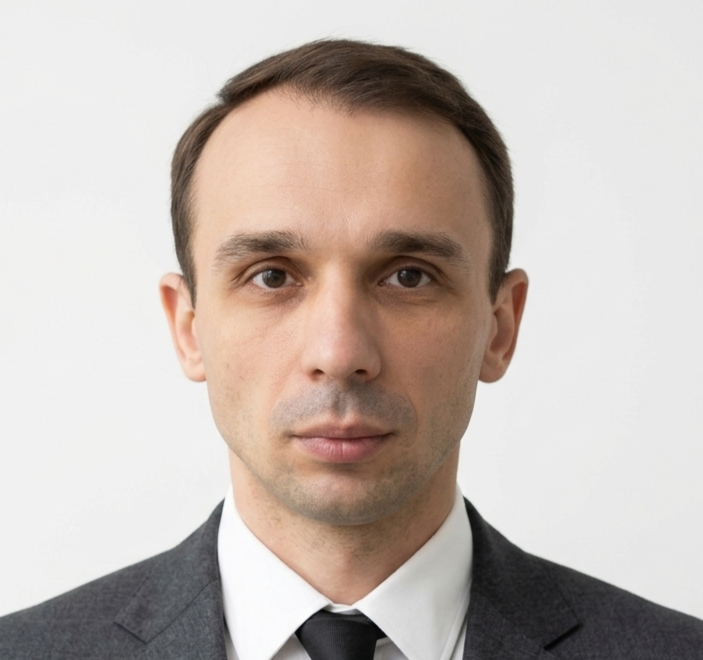
Dzianis Limarau
Financial lawyer and auditor
UN consultant (ILO, IMO, WIPO). Author of the Council's studies on the protection of external reporters and on the typology of corruption mechanisms in public procurement.
The Council's highest advisory body. It brings together specialists in law, finance, data analysis and the social sciences to lend independent technical judgement to the Association's research programme and lines of work.
It reviews studies and methodologies, advises on the lines of work and supports the Council's institutional cooperation.
Specialists with a verifiable track record in public integrity, procurement, finance and data analysis.

Financial lawyer and auditor
UN consultant (ILO, IMO, WIPO). Author of the Council's studies on the protection of external reporters and on the typology of corruption mechanisms in public procurement.

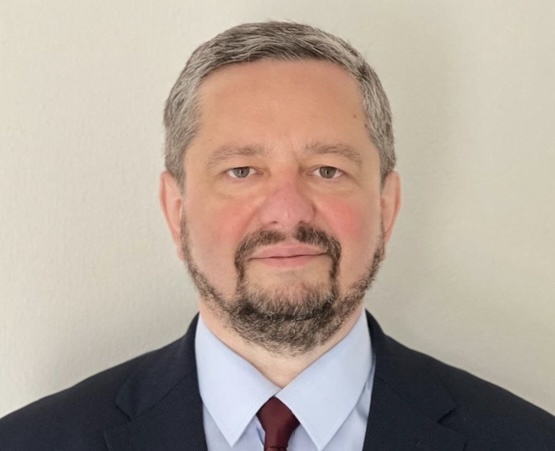
Data scientist, economist
UN consultant (ILO, IMO, WIPO). Author of the Council's open dataset on bid protests and of the signal-to-confirmation method for measuring corruption risk in procurement.

Economist and financial consultant
UN consultant (ILO, IMO, WIPO). Twenty years of teaching at Peter the Great St. Petersburg Polytechnic University, chief financial officer of a technology company and certified instructor in accounting and foreign trade. Author of Scopus-indexed publications.

Lawyer, expert in state and municipal procurement
UN consultant (ILO, IMO, WIPO). Brings legal analysis and technical expertise on procurement procedures to the Council's work.
The Council's studies draw on researchers from Europe, Latin America, North America, Asia and Africa.
The mechanisms of corruption in public procurement are largely common to distinct legal systems; what varies is the stage of the cycle at which they become observable and the body competent to confirm them. The Council therefore adopts a comparative method, applying a single analytical matrix to several jurisdictions. Its first comparative study applied that matrix to the European Union, Latin America and the post-Soviet space, with the United States as a contrasting case; the signal-to-confirmation method was formulated to be reproducible on any electronic procurement system.
EU procurement directives, the Remedies Directive and national review bodies; open data from TED and national portals.
National e-procurement systems, tender challenges and the follow-up mechanism of the Inter-American Convention (MESICIC).
The bid protest systems of the United States and Canada, specialised review bodies and safeguards for those who report.
Large-scale electronic procurement platforms, their audit trails and the complaint channels open to participants.
The African Union anti-corruption convention, national procurement regulatory authorities and the purchasing rules of donor-financed projects.
The Council welcomes proposals from specialists with a verifiable track record in public integrity, public procurement, law, finance and data analysis. Proposals are addressed to the Board of Directors.